
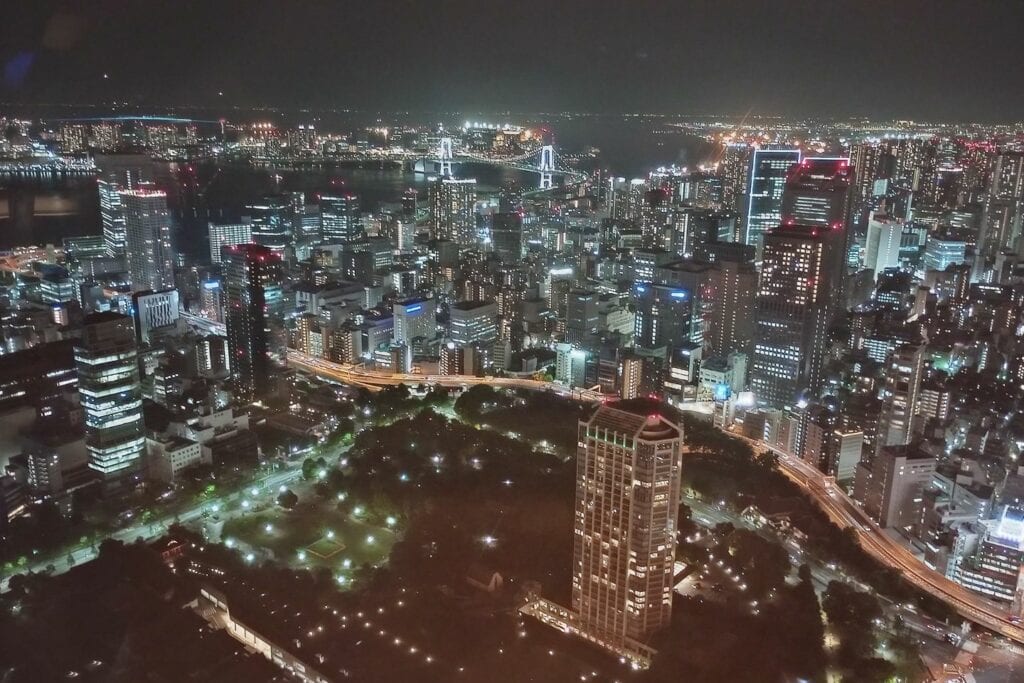
Tokyo blends centuries of history with one of the most dynamic cityscapes in the world. In this detailed 5-day itinerary, guest contributor and Navy spouse Katie McDonald shares her firsthand recommendations for making the most of your time in Japan’s capital.
You could dedicate an entire trip to Tokyo alone, but many travelers want to explore other parts of Japan as well. Five days offers a strong introduction to the capital, giving you time to see major sights, sample standout food, and experience distinct neighborhoods without packing every hour of the day.
5-Day Tokyo Itinerary Highlights
In five days, you’ll explore Tokyo’s historic landmarks, cutting-edge art, unforgettable food scene, and vibrant neighborhoods. This itinerary gives you a well-rounded introduction to Japan’s capital.
Highlights Include:
- Tour the Imperial Palace and stroll its gardens
- View the skyline from Tokyo SkyTree and Tokyo Tower
- Experience immersive digital art at teamLab Planets and teamLab Borderless
- Sample fresh seafood at Tsukiji Outer Market
- Explore Senso-ji Temple and Nakamise Street
- Cross Shibuya Scramble and visit the Hachiko statue
- Participate in a traditional tea ceremony
Know Before You Go
Before you land in Tokyo, a little preparation will make your trip smoother.
Eating on the Run
Tokyo has incredible street food but eating while walking is considered impolite. Instead, step aside or find a bench to enjoy your food. Public trash cans are rare, so carry a small plastic bag and toss your trash back at your hotel.
Restrooms
Many public bathrooms don’t provide soap or paper towels. Pack hand sanitizer and a small hand towel in your day bag.
Passport Requirements
Japanese law requires foreign visitors to carry their passports at all times. You’ll also need it if you want to shop tax-free.
Getting Around
The subway will become your lifeline. If you use an iPhone, you can add a “Suica” transit card to your Apple Wallet before you arrive. Open Wallet, tap “add,” select transit card, choose Suica (look for the penguin), and load at least 1,000 yen. That will cover several rides, and you can refill it as needed. Simply scan your phone to enter and exit the stations. (At this time, non-Japanese Android devices do not support this feature.)
Cash
Many street vendors and some vending machines accept cash only. Carry 100-yen coins and 1,000-yen bills. ATMs inside 7-Eleven stores reliably accept foreign cards.
Staying Connected
Apps like Google Translate and Google Maps are essential to help you navigate menus and subway stations, so reliable WiFi is a must. Purchase “pocket WiFi” (portable hotspots) or a Japanese SIM card at airports or major train stations. You can also have them delivered to your hotel.
Day 1: Step Into History and a Bird’s Eye View
After a long flight, keep your first morning simple. Stop at a Japanese convenience store (konbini) for a quick and satisfying breakfast. The quality and variety will surprise you.
Family Mart, 7-Eleven, and Lawson offer freshly prepared options like onigiri (rice balls with a variety of fillings), egg sandwiches, and fried chicken. Don’t skip the coffee — the machines grind beans for each cup, and it’s both inexpensive and genuinely good. You can easily purchase a satisfying meal for $5 or less. This is also a good opportunity to visit an ATM and pick up any small essentials you may need.
From there, head to Tokyo’s Imperial Palace, home to Japan’s Imperial Family and just a ten-minute walk from Tokyo Station. The palace’s beautiful grounds are free to tour on Tuesdays-Saturdays with guided English tours at 10:00 and 13:30. The 75-minute tour follows a 1.4 mile outdoor route.
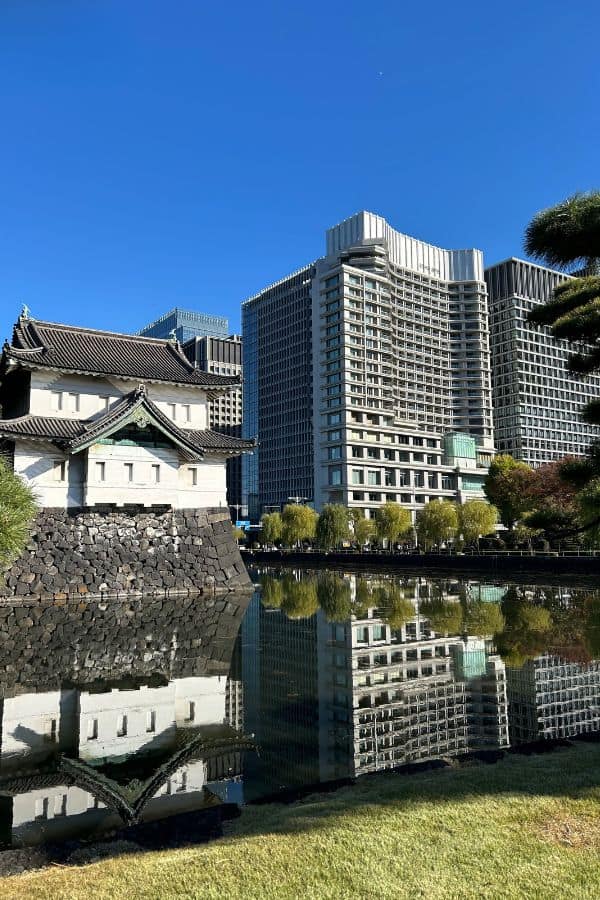
To join a tour, register on the website at least four days before your visit. Walk-in registration is available at the Kikyo-mon Gate one hour before the tour, but online registration offers more certainty.
After the official tour, explore the East National Gardens of the Imperial Palace at your own pace. Check the palace website for gardens hours and an estimated viewing schedule for their many varieties of flowers and trees.
To keep the pep in your step, take a 15-minute walk to Glitch Coffee & Roasters where coffee is truly a science and an art. I recommend ordering a flight of their light roasted, single-origin pour-overs.
By now you’ve probably worked up an appetite. Luckily, Tokyo Station is home to a wide variety of excellent restaurants. One of the highlights is Tokyo Ramen Street, a collection of ramen restaurants that offer different noodles, broths, and flavor profiles to represent the dish’s diversity. You can see a full run down of the offerings here, including two restaurants with Michelin guide mentions.
From there, take a 20-minute subway ride to visit Tokyo SkyTree, the tallest tower in Japan. Before heading to the top, browse Solamachi (Sky Tree Town), a large shopping mall at the base of the tower with 300 shops and restaurants.
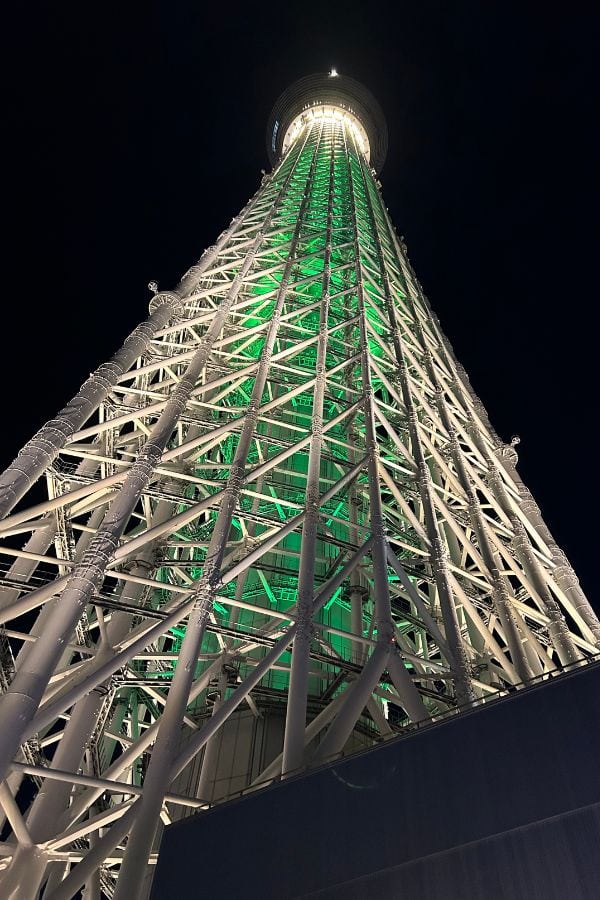
As evening approaches, visit the observation decks at Tokyo SkyTree to get a breathtaking view of the city’s lights from up to 450 meters (1476 feet). Save money by purchasing your tickets ahead of time on their website.
Day 2: Immersive Art and an Ancient Temple
Start your day by taking the subway to teamLab Planets, an interactive and immersive art collective and museum.
Your experience begins with a wade through shallow water and continues through rooms filled with flowers, lights, and projection-mapping displays. TeamLab immerses you within their imaginative exhibits that actively change with guests’ presence and touch. You feel transported into a work of science fiction and fantasy, and the whimsical exhibits are fascinating for all ages.
Purchase tickets in advance to secure your preferred date and time.
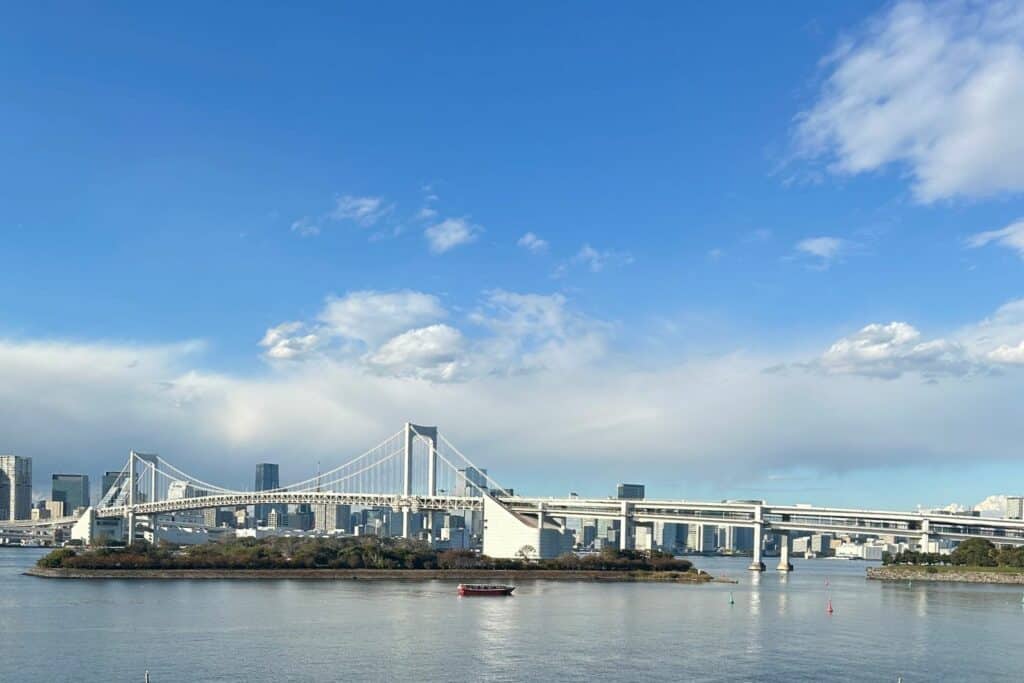
After your visit, take the subway to nearby Odaiba Seaside Park, which boasts beautiful views of Tokyo Bay, the city skyline, and, surprisingly, a replica of the Statue of Liberty. From there, walk to the nearby pier to take the Tokyo Cruise water bus to Asakusa. The 70-minute ride offers a unique perspective of the city from the water.
When you arrive in Asakusa, walk to Senso-ji, Tokyo’s oldest temple and one of its most visited landmarks. Enter through the famous Thunder Gate and stroll along Nakamise Street, where vendors sell snacks and souvenirs. Side streets branch off with even more shops and restaurants.
Spend some time exploring and snacking; there’s so much to take in! Some of my favorite spots include Asakusa Taco-Taco Koromo Brothers (known for their takoyaki—octopus dumplings), Not Suspicious (international traveler-friendly bar with a quirky vibe that welcomes families), and Yoroiya Ramen (known for their ramen and massive chicken gyoza).
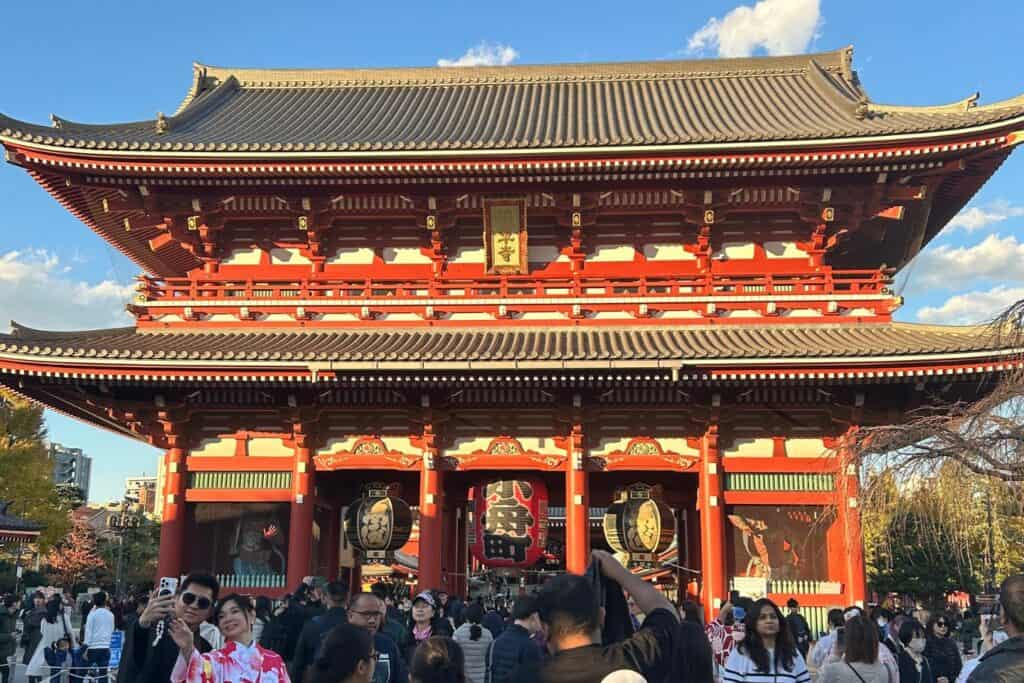
Once you’ve had your fill, visit the temple grounds and draw an omikuji (fortune slip) for 100 yen to predict your luck.
Day 3: Sushi and a Shinto Shrine
Your first stop of the day is the Tsukiji Outer Market for a sushi breakfast. Known as Japan’s “Food Town,” the market features hundreds of vendors selling everything from fresh seafood to sweet treats.
Public shopping is available from 09:00 – 14:00 and many shops are closed on Sundays and Wednesdays. Cash is king here, and because there’s no currency exchange on site, it’s important to bring plenty of yen with you.
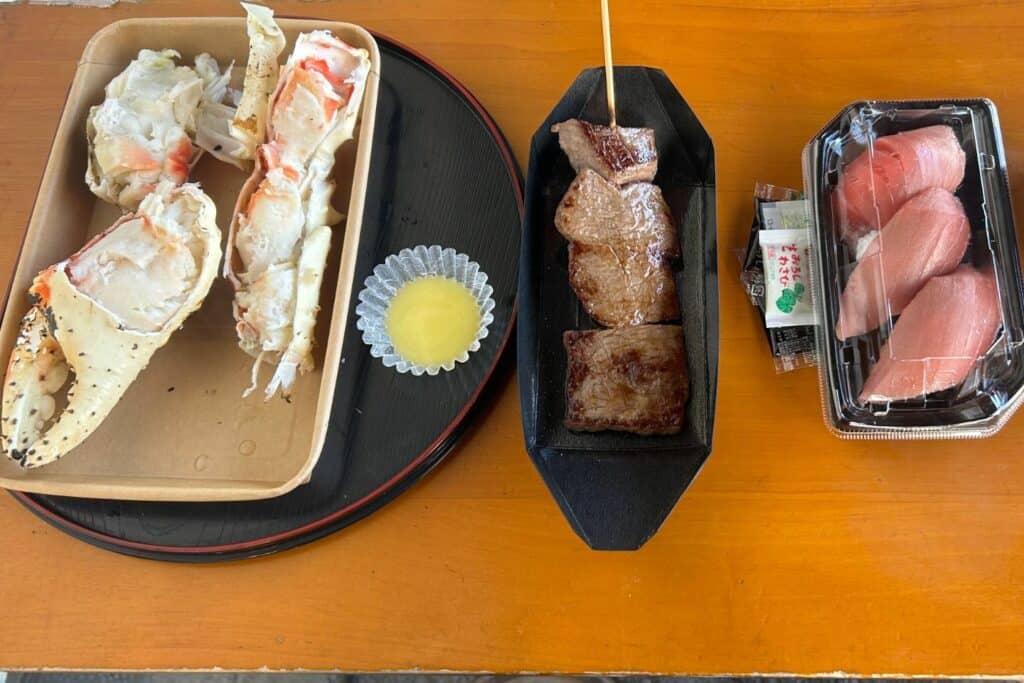
After exploring and sampling the market’s offerings, walk about 40 minutes or take the subway to Meiji Jingu, a Shinto shrine surrounded by a forest in the heart of Tokyo. The shrine grounds are free to visit. If you’d like to go deeper into the history, the Meiji Jingu Museum, which opened in 2019, displays items associated with Emperor Meiji and Empress Shoken.
Museum admission is 1,000 yen for adults and 900 yen for children. The museum closes on Thursdays and operates from 10:00 to 16:30, with last entry at 16:00.
The shrine grounds offer a peaceful escape from the rush of the city and are beautiful in all seasons. If time allows, visit nearby Shinjuku Gyoen National Garden or Yoyogi Park, especially during cherry blossom season.
Day 4: Big City Bustle
Begin your day in Shibuya, a vibrant section of the city filled with bars, restaurants, and shopping. First stop is the Hachiko statue, which honors the loyalty of a dog who waited almost ten years for his deceased owner to return from the train station.
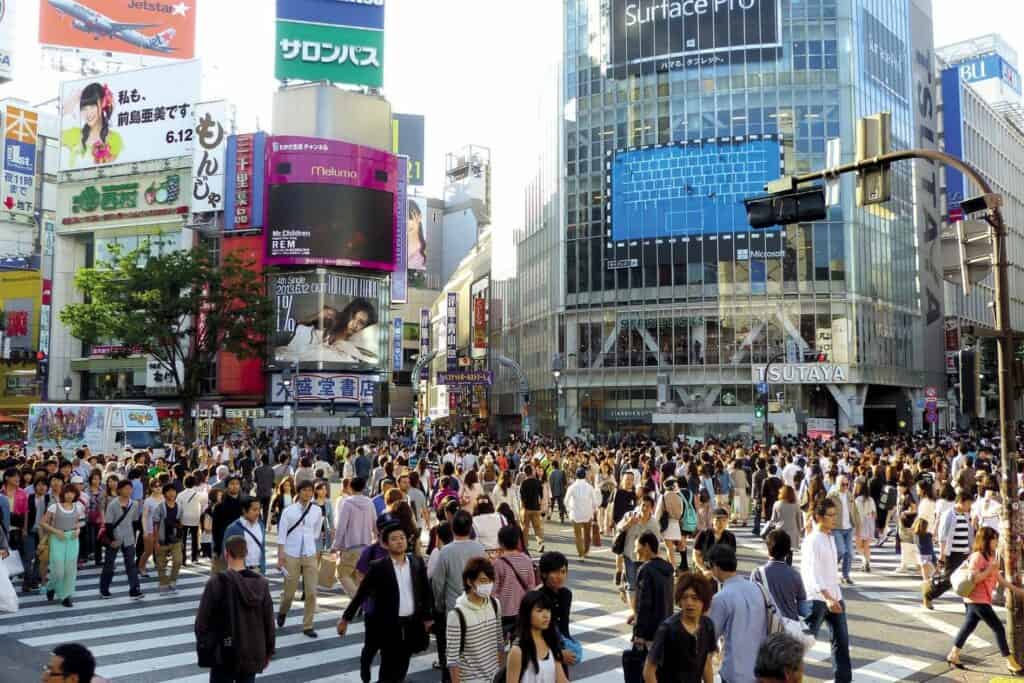
From there, step into the famous Shibuya Scramble Crossing, often described as the busiest intersection in the world. If you enjoy people-watching and want a break from the crowds, Starbucks offers a great view of the intersection.
Take time to explore the unique shops in this famous area of Tokyo. From fashion to video games to stationary to vinyl, there’s truly something for everyone to enjoy. Our favorite store was the Mega Don Quijote, which offers a massive variety of tax-free souvenirs and requires at least an hour to fully explore.
When you’re ready for lunch, choose from the many restaurants throughout Shibuya. You’ll find options for nearly every taste.
For a high-energy, unique experience, consider booking a Mario Kart street tour through online travel marketplaces Viator or Klook. Participants drive go-karts through city streets while wearing themed costumes. Drivers must be at least 18 and carefully follow the licensing requirements outlined by the tour company.
Afterward, take a short subway ride to the Starbucks Reserve Roastery. You can try coffee, crafted cocktails, tea, and freshly baked pastries, pizza, and sandwiches in this massive four-story building dedicated to the craft of coffee roasting.

I recommend ordering the coffee flight from the first floor and the espresso martini flight from the third floor. Also on the third floor is the kid-friendly hot chocolate that boasts a generous pile of fresh whipped cream.
If you’re an adults-only group, end the day with a 20-minute subway ride to Buri Stand Bar & Restaurant for frozen sake and bar snacks. The decorative sake cups make fantastic souvenirs.
Day 5: Tea and Towers
Your final day balances cultural tradition with iconic skyline views.
Start by booking a a traditional tea ceremony through Viator or Klook. This is a great opportunity to learn about the history and culture of matcha; some sessions include the option to wear a kimono!
I booked the “Tokyo Tea Ceremony Experience: Matcha, Kimono, and Sweets” on Viator, and would highly recommend it. Our guides were very engaging and attentive.
For lunch, take the subway to Pizza Studio Tamaki for incredible Neapolitan-style pizza. If you can’t get a reservation, arrive shortly before opening to try and get a table. Weekend lunch hours are from 12:00 to 14:30, with dinner from 17:00 to 21:00. During the week, the restaurant opens for dinner from 17:00 to 22:00.
After lunch, walk to Tokyo Tower for a bird’s eye view of the city and to learn more about its history. If you’re lucky, you might see Mount Fuji! Tokyo Tower is unique because you can access the main deck via a 600-step staircase or an elevator.
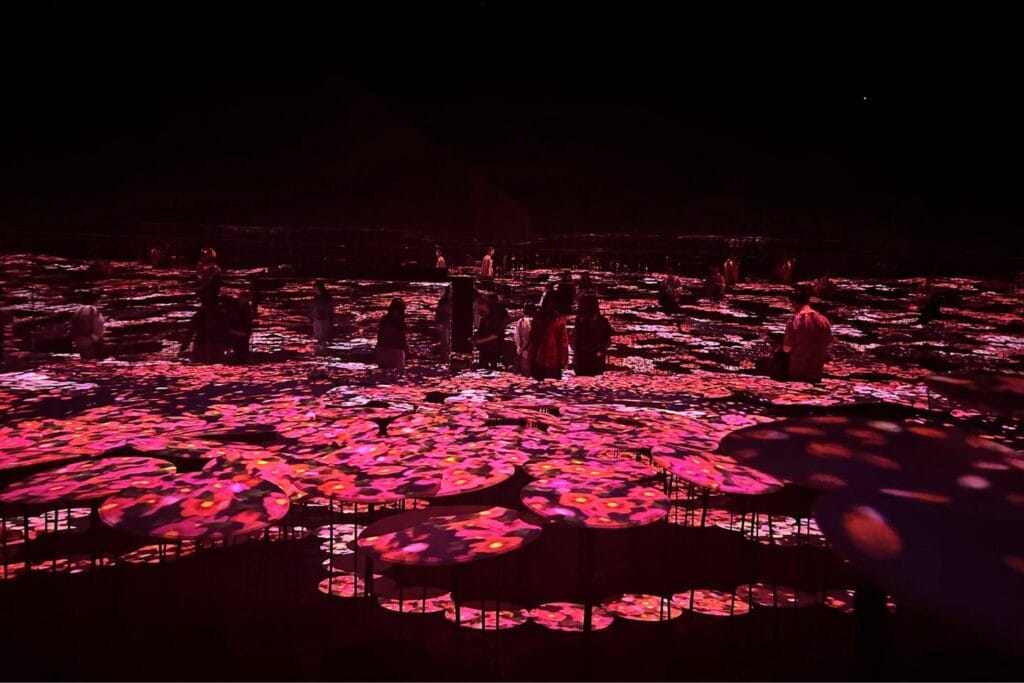
Next, visit teamLab Borderless, just a couple blocks away. Unlike teamLab Planets, where each installation occupies a distinct space, Borderless allows artwork to flow from room to room. You can even add your own art to the aquarium-themed room. There is no set path, so you must wander, explore, and follow your curiosity to discover all the rooms.
Before you leave, enjoy tea and sorbet at the Tea House and marvel at the digital projections that bloom from your cup. This attraction is popular, so advance tickets are recommended.
To close out your trip, travel about 30 minutes to Sugita, a Bib Gourmand restaurant, serving affordable and delicious tonkatsu (pork cutlet). Sitting at the counter offers a front-row view of the chef at work. For dessert, walk next door to Patisserie Clair de lune for decadent French pastries and cakes.
Where to Stay in Tokyo
If you prefer an American-style hotel with English-speaking staff, eligible guests can stay at the New Sanno Hotel, a U.S. military recreation facility in Minato City. The hotel offers a variety of dining options that include familiar American fare for less adventurous eaters. Additional amenities include a pool, 24/7 fitness center, spa, Exchange store, game room, yoga, and karate. Read more about staying at the New Sanno here.
For a very traditional Japanese experience with unique amenities, stay at Hotel Onyado Nono Asakusa Bettei Hot Spring, just steps from the Senso-ji temple. Guests can enjoy onsen (public baths), a breakfast buffet, and tatami mats throughout the hotel. Please note that guests who have tattoos may not use the onsen. Check rates and see photos here.
* * *
Tokyo delivers an incredible range of experiences in a relatively compact space. With a clear plan, five days gives you time to see the highlights, explore distinct neighborhoods, and enjoy memorable meals without rushing from one attraction to the next.
As you continue planning your trip to Japan, read our recommendations for the best Japan travel guidebooks to help you build out the rest of your itinerary and develop a better understanding of Japanese culture.
If you’re considering additional destinations, explore our guide to visiting Hiroshima, another must-see city known for its powerful history and vibrant food scene. And for members of the military community, review our guide to flying Space-A to Japan to understand your options for getting there.