
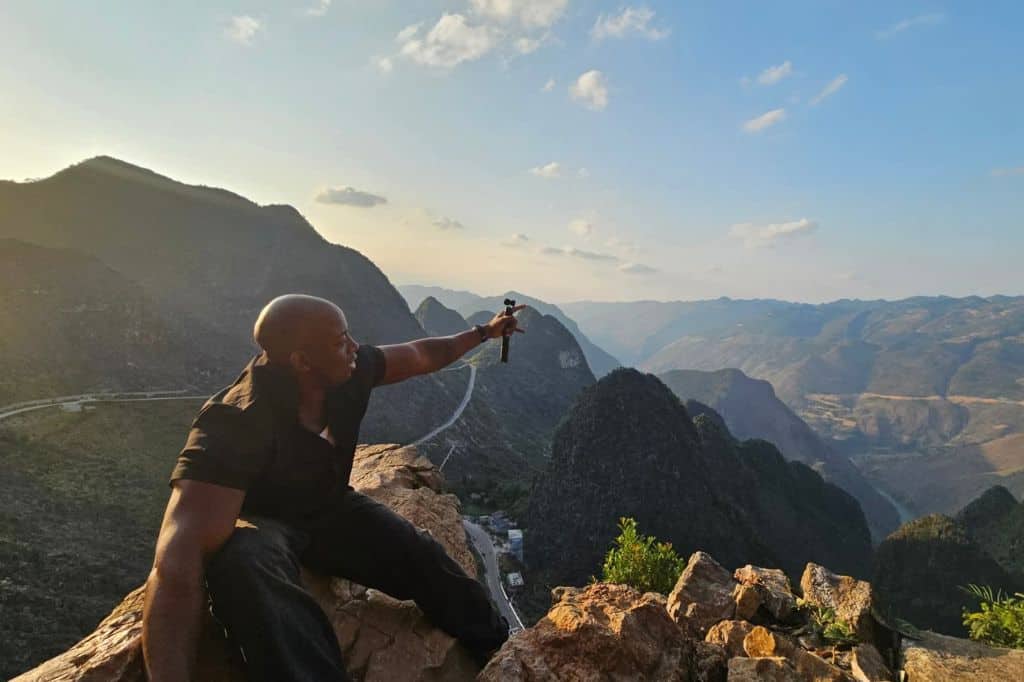
Three months after separating from the U.S. Air Force in 2019, Markeiz Ryan moved to Vietnam for what he thought was a temporary break from life in the United States.
Six years later, he calls Vietnam home. He has built a new life in Ho Chi Minh City, developed a solid community of friends, and transitioned from teaching English on a work visa to pursuing an Executive MBA on a student visa while using his GI Bill.
In this edition of our Veterans Living Overseas Interview Series, Markeiz shares how he chose Vietnam, how he navigated the visa process and what he would tell other veterans considering a similar move.
Why did you move overseas, and how did you choose Vietnam?
After leaving the military, I wanted a major change in environment and lifestyle. I was looking for a lower cost of living, new opportunities, and a chance to experience a completely different culture. Southeast Asia caught my attention because of how fast the region is growing and how affordable it is compared to the United States.
Vietnam stood out because of its energy, food culture, and strong sense of community. It also has a reputation for welcoming foreigners and entrepreneurs. The combination of affordability, opportunity, and cultural experience made it feel like the right choice.
At first, I came with the idea of staying temporarily while teaching English and exploring Southeast Asia, but I ended up building a life here and decided to stay.
Why did you choose your city?
I chose Ho Chi Minh City because it’s the economic center of Vietnam and offers the most opportunities for business and networking. The city is fast paced, constantly growing, and full of energy.
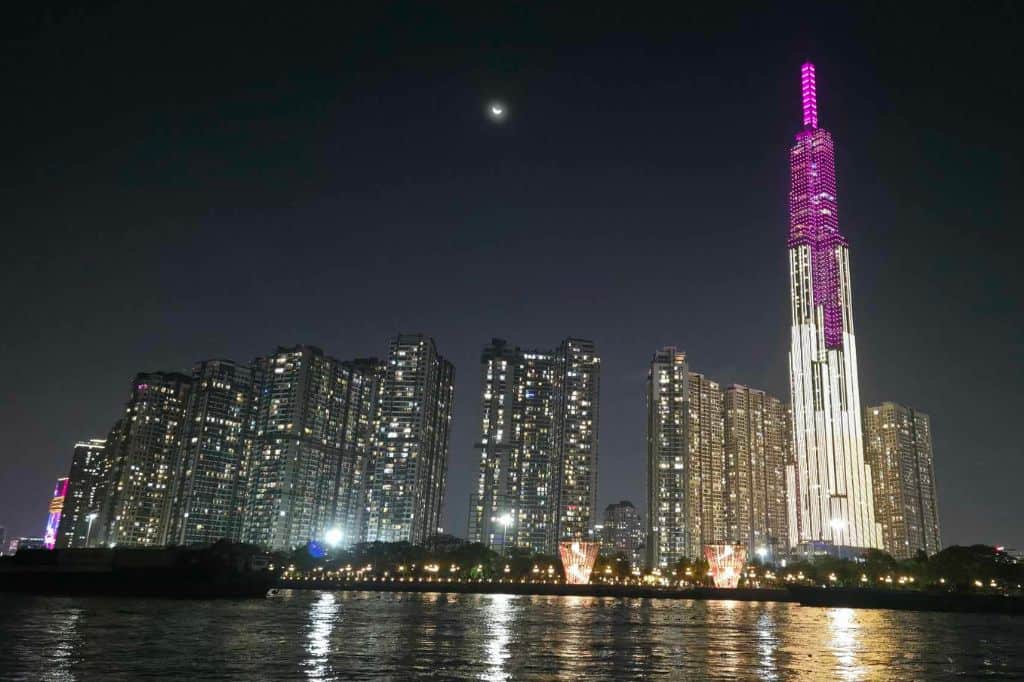
There are modern conveniences, good infrastructure, international hospitals, and a large expat community, which made the transition easier. It’s also a great place for content creation and meeting people from different backgrounds.
What residence visa do you have and what was the process for obtaining it?
I first came to Vietnam under a work visa with an English learning center.
To get a job teaching English, you must have a bachelor’s degree (in any field) from a native English speaking country and a Teaching English as Foreign Language (TEFL) certificate. You can do the classes online to get the certificate, and it takes 5 hours at the most.
After you receive the TEFL, you can look for jobs in Vietnam. It’s not difficult to find them if you meet the minimum qualifications, and after you’re hired, the company helps you get a renewable 2-yr work visa.
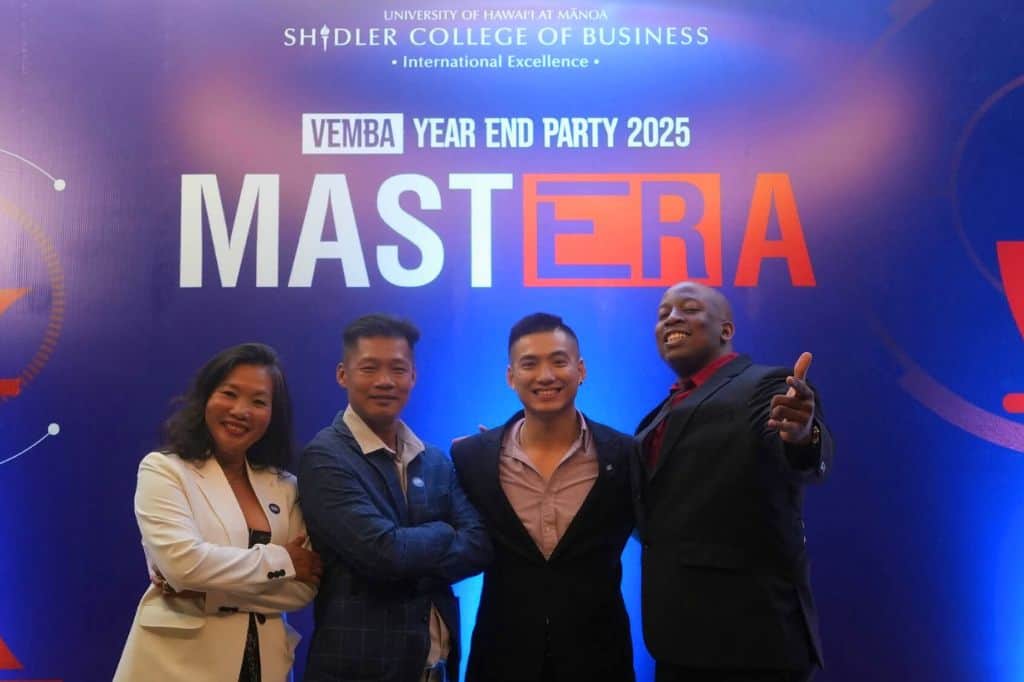
Teaching English was one of the easiest ways to establish and support myself while adjusting to life in Vietnam. Recently, I shifted to a student visa to make use of my GI Bill while taking a break from teaching. I’m enrolled in the University of Hawaii Vietnam Executive MBA (VEMBA) program. It’s a hybrid program that combines in-person and online study.
What was the process of switching to a study visa and using your GI Bill?
Once I decided to pursue my Executive MBA with the University of Hawaii. I worked directly with the school’s administration to document my enrollment status for VA education benefits.
The general process looked like this:
- Confirm program eligibility.
I verified that my program and university were approved for GI Bill benefits. This is critical because not all overseas or hybrid programs qualify. - Apply for GI Bill benefits through the VA.
I submitted my application for education benefits and received a Certificate of Eligibility (COE). This document confirms your benefit level and is required by the university. - Submit documentation to the university’s VA-certifying official.
The school’s certifying officer processes enrollment verification and submits it to the VA so they can release tuition and benefits. - Update visa status.
Since my purpose in Vietnam shifted to education, I worked with my school and local immigration support to transition from a work-based residency status to a student-related status. The exact process depends on your program structure and sponsor, but generally includes:
– Proof of enrollment
– Sponsor documentation from the school
– Updated residency paperwork through Vietnamese immigration
The key advice for veterans is to coordinate early with both the VA and the university’s certifying office, because the process can take several weeks.
Tell us more about the hybrid format of your MBA program.
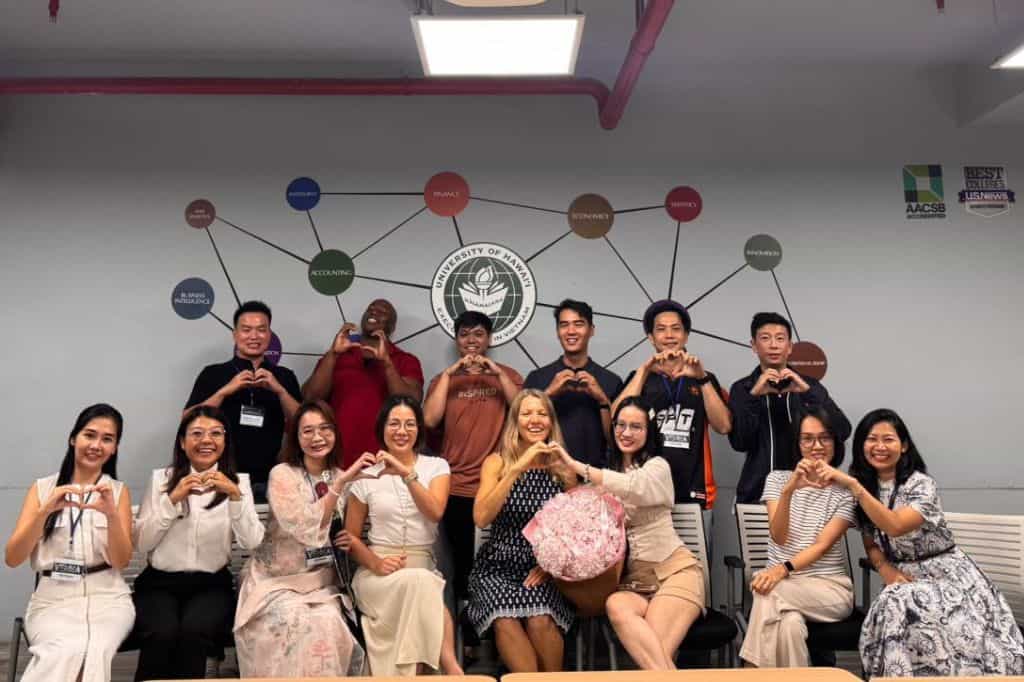
We take one unit at a time, and all classes are on weekends. For the first class of a unit, we attend in person at the school in Ho Chi Minh City. Then, we do online classes for the next three weekends, and that’s it for the unit.
Each day (Saturday and Sunday) is 8 hours of classes, so it’s pretty heavy, but it’s easier than doing it all in person.
When using the GI Bill with a hybrid format, you get the full monthly housing allowance (MHA) from VA, whereas with online-only classes, you only get half of the housing allowance.
Do you speak Vietnamese? If not, is it difficult to navigate daily life?
People say that I am fluent, but I don’t think I sound like a native Vietnamese speaker yet. Also, listening is still a challenge.
Without knowing Vietnamese, you will only struggle with communication outside the major cities. Generally, you can make most interactions work with basic sign language, context clues, and apps.
How does the cost of living in Vietnam compare to the U.S.?
The cost of living is much lower than in the United States. You can live very comfortably for a fraction of what it would cost back home.
The average salary for locals is about $600/month. Rent for a modern 2-bedroom apartment varies from $500 to $1,000. Transportation costs are also low; taxi fare in the city averages around $4, and I spend about $15 per month on gas for my bike.
Food is affordable, and eating out regularly is normal, because restaurant prices are reasonable.

Grocery prices and market prices differ. If you buy something at the grocery store, you’ll pay about 30% more than at the traditional Vietnamese market. For example, for 2 kg (4.4 lbs) of chicken, I pay about $3, but at the grocery store it would cost closer to $4.50.
Fruits are cheap unless they are not indigenous to Vietnam. Otherwise, you can usually get around 1 kg for $1. I have a lot more information about prices and shopping at local markets on my YouTube channel.
Overall, the same lifestyle in the U.S. would probably cost two or three times more than what I spend in Vietnam.
How is the medical care? Do you have an insurance plan?
I use private international hospitals in Ho Chi Minh City. The facilities are modern, the doctors are professional, and many staff members speak English.
Healthcare is generally efficient and affordable compared to the United States. Even without insurance, routine visits and minor procedures are reasonably priced. Overall, I’ve had positive experiences with the medical system here.
My highest bill was $2,000 for a surgery. With insurance, I pay $20 for routine checkups. My health insurance costs $1,000 per year for an “executive” package.
Tell us about life in Vietnam! How do you spend your time?
My weekly routine usually involves MBA schoolwork, studying Vietnamese, creating content for my YouTube and social media channels (@MarkeizEatsVietnam), and exploring the city. I spend time filming videos, visiting markets or restaurants, meeting people, and working on professional projects.
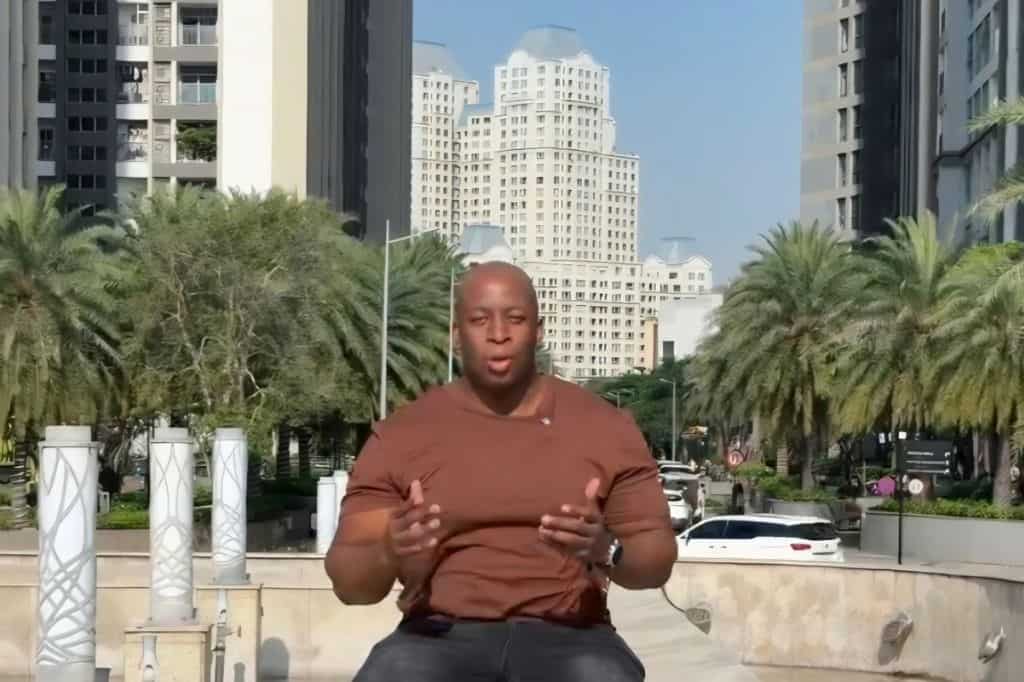
I also focus on fitness and social activities. Weekends often involve exploring new places, traveling, or spending time with friends. Life here is active and social, and there is always something happening.
Do you have many friends from the local population, or do you primarily socialize with other expats?
I have slightly more Vietnamese friends than non-locals. Building relationships with locals helps you understand the culture and feel more connected to the country.
At the same time, the expat community provides support and shared experiences. Having both perspectives creates a balanced social life.
Do you feel “accepted” in the local community?
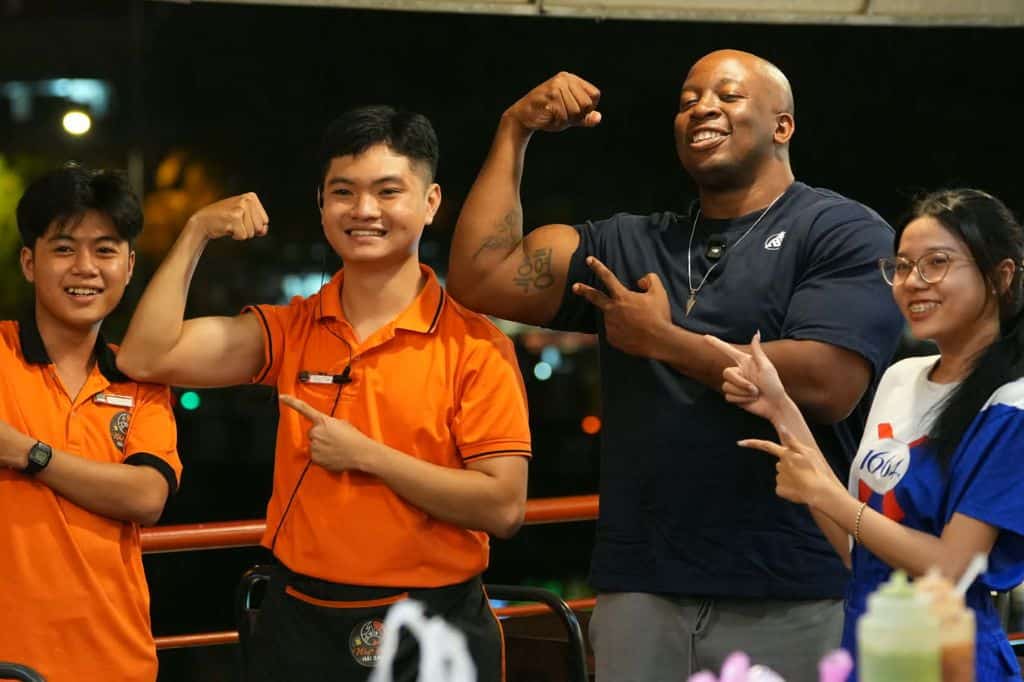
Yes, I generally feel accepted. Vietnamese people are curious and friendly, and most interactions are positive. If you show respect for the culture and make an effort to communicate, people are very welcoming.
Is there anything you wish you had known or done differently prior to moving abroad?
I wish I had brought better documentation of disability and my college degree in hand. I learned this the hard way. Having original documents makes administrative processes overseas much easier.
- College Degree (Original or Certified Copy):
Some institutions, employers, and government processes in Vietnam require original academic documentation for verification. While digital copies help, official paperwork is sometimes required for enrollment verification, credential checks, or administrative procedures. - VA Disability Documentation:
Documentation of disability status is important for verifying benefits, accessing certain support services, or handling administrative questions related to education benefits or healthcare.
In general, bringing important records avoids logistical challenges once you’re abroad. FedEx/DHL charge nearly $170 for an envelope sent from the U.S. to Vietnam. So, any time I need to have bank cards or college info sent from the U.S., it’s costly.
I also wish I had brought more clothes to Vietnam. It’s difficult to find the American brands I like in my size, especially shoes, but I’ve found places to buy them online.
(Think you’ve found your next home overseas? Answer these 24 questions before you make the move.)
Things don’t always work the same way as in the U.S., and that was frustrating at first. Learning more Vietnamese before arriving and having more patience with administrative processes would have made the transition smoother.
What do you like about living in Vietnam?
What I enjoy most is the quality of life. Meeting new people is easier, the food is incredible, and there are constant opportunities for growth and new experiences.
Vietnam has a strong sense of community, a vibrant culture, and an energy that makes everyday life exciting. The balance between opportunity and lifestyle is what keeps me here.

What are some of the challenges of living in Vietnam?
Visas are much more challenging than in other SE Asian countries. Vietnam is strict and bureaucratic with anything regarding immigration. All papers need to be printed and notarized. Digital doesn’t always work, so that’s why I emphasized bringing paper copies.
Related Reading: A Veteran Living in Chiang Mai, Thailand
Language barriers can make some situations difficult, traffic can be overwhelming, and bureaucratic processes take time. There are also differences in business practices and communication styles that require adjustment. Noise and pollution are also issues, depending on where you live.
These challenges are manageable, but they require patience.
What advice would you give to anyone who is thinking of moving abroad?
I would recommend visiting first before making a permanent move. Save enough money to support yourself during the transition and learn as much as possible about the culture and language.
Be flexible, open-minded, and patient with the adjustment process. Living abroad is extremely rewarding, but preparation makes a big difference.
What are your longer-term plans? Do you intend to stay in Vietnam for the foreseeable future?
I’m never leaving.
Markeiz Ryan is a U.S. Air Force veteran, Masters of Business Administration student at VEMBA, and content creator based in Ho Chi Minh City, Vietnam. He focuses on school life, media production, and cross-cultural experiences while documenting life overseas and sharing insights about living internationally. Follow him on YouTube and Instagram.